



 9 min.

Deciding whether you need a nose job is rarely a simple yes-or-no question. For many people, it starts with a passing thought when looking in the mirror, noticing how their nose appears in photos, or comparing their facial features to others. For others, the question is more practical, linked to long-standing breathing difficulties or changes caused by injury.
Rhinoplasty is one of the most personal aesthetic procedures because the nose sits at the centre of the face and affects both appearance and function. Small changes can have a significant impact on facial balance, while even subtle breathing issues can influence daily comfort and quality of life. This is why the decision to consider rhinoplasty deserves careful thought rather than impulse.
In this article, we’ll explore how to tell whether a nose job may be appropriate for you by looking at functional concerns, aesthetic motivations, personal readiness, and realistic expectations. Rather than focusing on surgical techniques or costs, this guide is designed to help you understand when rhinoplasty makes sense and why patients choose to explore it in the first place.
What Does “Needing” a Nose Job Actually Mean?
When people ask whether they need a nose job, they are often trying to validate a feeling rather than diagnose a medical necessity. Unlike emergency or reconstructive surgery, rhinoplasty is usually considered after a period of reflection, comparison, or lived experience with a concern that has not resolved on its own.
In practice, “needing” a nose job can mean different things for different people. It may relate to how the nose functions, how it looks in relation to the rest of the face, or how strongly it affects confidence and self-perception.
From a clinical and decision-making perspective, rhinoplasty is most often considered when one or more of the following apply:
- Ongoing breathing difficulties that persist despite medical treatment
- Nasal shape or proportions that feel out of balance with other facial features
- Changes to the nose after trauma or injury
- Long-standing dissatisfaction that has remained consistent over time
- A sense that the nose draws attention away from the rest of the face

Functional Reasons to Consider Rhinoplasty

While rhinoplasty is often associated with appearance, functional concerns are a major reason many patients consider nose surgery. In these cases, the primary motivation is not how the nose looks, but how it works in everyday life.
Breathing Difficulty
Chronic nasal obstruction can affect sleep quality, exercise tolerance, and overall comfort. Patients may notice persistent mouth breathing, difficulty breathing through one or both nostrils, or a constant feeling of nasal blockage that does not improve with medication.
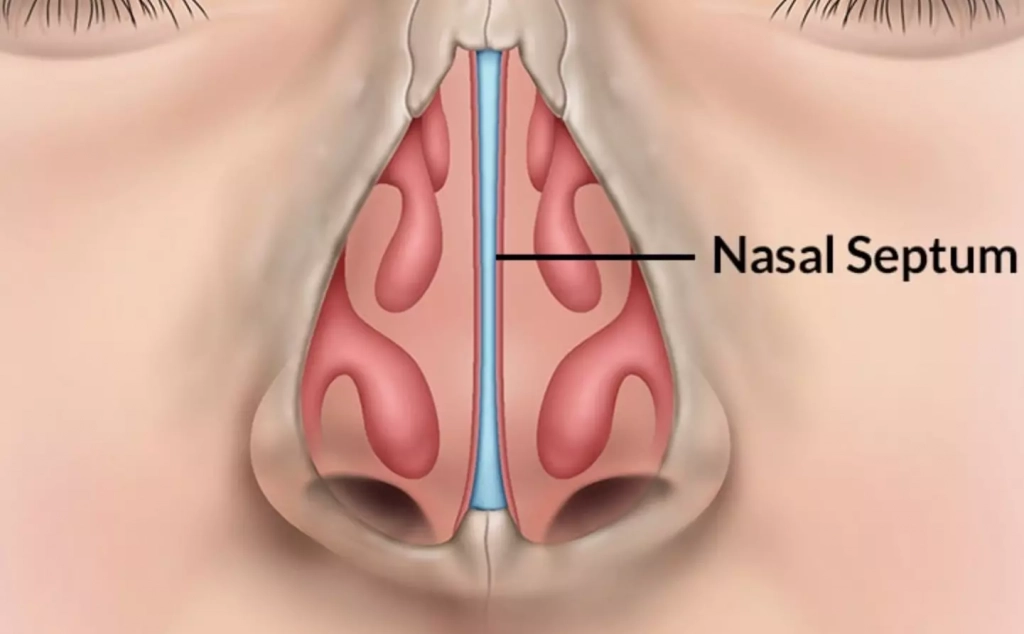
Deviated Septum Symptoms
A deviated septum is a common structural issue where the internal wall dividing the nostrils is off-center. This can lead to:
- Uneven airflow between nostrils
- Frequent nasal congestion
- Snoring or disrupted sleep
- Recurrent sinus discomfort
Many people live with these symptoms for years without realizing they are related to nasal structure rather than allergies or infections.
Trauma-Related Changes
Previous nasal injuries, even those that occurred years earlier, can alter both the shape and internal alignment of the nose. Trauma may cause:
- Collapsed nasal passages
- Crooked appearance combined with airflow problems
- Progressive breathing difficulty over time
In such cases, rhinoplasty may be considered to restore both function and structural stability.
Aesthetic Reasons People Consider a Nose Job
Aesthetic motivations for rhinoplasty are often more nuanced than simply wanting a “better-looking” nose. In most cases, patients are responding to how their nose fits within their overall facial balance rather than to a single isolated feature.

Proportion, Not Perfection
The nose sits at the center of the face, which means even subtle irregularities can draw attention. Many people consider rhinoplasty because their nose feels out of proportion with other facial features such as the eyes, lips, or jawline. The goal is rarely perfection. Instead, it is harmony, where the nose no longer dominates or distracts from the rest of the face.
Common Aesthetic Concerns
Patients often describe concerns that have been present for many years, including:
- A prominent or uneven nasal bridge
- A bulbous, drooping, or under-projected nasal tip
- Asymmetry that becomes more noticeable in photos or from certain angles
- A nose that feels too large, wide, or sharp for the face
These concerns may be subtle to others but can feel very significant to the individual experiencing them.
Signs You May Be a Good Candidate for Rhinoplasty
Deciding whether rhinoplasty is right for you involves more than identifying something you would like to change. Good candidates tend to share a combination of physical suitability, emotional readiness, and practical considerations that support a healthy decision-making process.
Physical Indicators
From a physical perspective, rhinoplasty candidates often have:
- Nasal features that feel disproportionate to the rest of the face
- Structural concerns such as a visible hump, drooping tip, or asymmetry
- Functional issues like chronic breathing difficulty or nasal blockage
- Fully developed facial bones, which is especially important for younger patients
Emotional Readiness
Equally important is emotional preparedness. Rhinoplasty candidates who tend to feel most satisfied with their results usually:
- Have thought about the procedure over time rather than making a rushed decision
- Understand that improvement does not mean perfection
- Are seeking change for themselves rather than to meet someone else’s expectations
- Feel comfortable with the idea of gradual healing and delayed final results
Lifestyle and Health Factors
Your overall health and lifestyle also play a role in candidacy. Factors commonly considered include:
- Being in good general health with no uncontrolled medical conditions
- Willingness to pause intense physical activity during recovery
- Ability to follow post-operative care instructions consistently
- A stable lifestyle that allows time for healing
Skin Thickness and Facial Structure
Skin thickness and underlying cartilage influence how predictable rhinoplasty results can be. Thicker skin may soften definition, while very thin skin may reveal minor irregularities more easily. Facial bone structure also guides how much change can be achieved while maintaining balance.
For patients with thicker nasal skin, achieving sharp definition often requires a more structural surgical approach that prioritizes cartilage support rather than surface refinement alone. This is why cases involving bulbous tips or dense skin benefit from careful technique selection, as explained in Thick Skin Rhinoplasty: A Structural Approach to Bulbous and Thick-Skinned Noses.
A consultation helps clarify how these anatomical factors interact with your goals.
When Rhinoplasty May Not Be the Right Step (Yet)

Rhinoplasty is a personal decision that benefits from the right timing and mindset. In some situations, postponing surgery or re-evaluating motivations can lead to a more positive experience and better long-term satisfaction.
Rhinoplasty may not be the right step yet if the following factors are present:
- Unrealistic expectations: Expecting surgery to create perfection, completely transform life circumstances, or resolve emotional challenges can lead to disappointment. Rhinoplasty refines nasal shape or function, but it does not guarantee happiness or confidence on its own.
- External pressure or influence: Decisions driven mainly by partners, family members, social media trends, or comparison with others often result in regret. The strongest outcomes tend to come from personal, well-considered motivations.
- Ongoing facial growth or physical changes: Younger patients whose facial structures are still developing, or individuals experiencing significant weight or hormonal changes, may benefit from waiting until changes stabilize.
- Expecting surgery to solve non-physical concerns: Rhinoplasty can improve appearance or breathing, but it cannot replace personal growth, lifestyle changes, or relationship improvements.
Surgical vs Non-Surgical Nose Job: How to Think About the Choice
When considering changes to the nose, many patients compare surgical rhinoplasty with non-surgical nose reshaping using fillers. Although both options can alter appearance, they work in fundamentally different ways and serve different purposes. Choosing between them requires clarity about what kind of change is actually needed:
| Aspect | Surgical Rhinoplasty | Non-Surgical Nose Job (Fillers) |
|---|---|---|
| Type of change | Structural and comprehensive | Surface-level and camouflaging |
| Longevity | Permanent, with natural ageing | Temporary, usually 6–12 months |
| Functional improvement | Can improve breathing and airflow | Cannot correct functional issues |
| Scope of correction | Can reduce, reshape, and refine | Adds volume only, cannot reduce size |
| Healing process | Requires recovery and patience | Minimal downtime |
| Best suited for | Long-term, definitive change | Minor, temporary adjustments |
Questions to Ask Yourself Before Consulting a Surgeon
Before booking a rhinoplasty consultation, it helps to pause and assess your motivations, priorities, and readiness. This step is often overlooked, but it plays a major role in whether patients feel satisfied and confident throughout the process.
Rather than focusing only on how the nose looks today, consider the broader picture of why you are exploring a nose job and what you expect it to change.
Key questions to reflect on include:
- What specifically bothers me about my nose? Try to identify clear, consistent concerns rather than vague dissatisfaction or momentary frustration.
- Are my reasons functional, aesthetic, or both? Breathing comfort, facial balance, and appearance can all matter, but knowing which one is most important helps guide decisions.
- Am I seeking improvement or perfection? Rhinoplasty is about refinement and balance, not creating a flawless or “ideal” nose.
- Have these concerns persisted over time? Long-standing concerns usually indicate a more considered decision than those triggered by recent comments or trends.
- Am I prepared for the recovery process? Swelling, patience, and temporary changes in appearance are part of rhinoplasty, and emotional readiness matters as much as physical healing.
- Do I understand that results evolve gradually? The nose continues to settle for many months, and final outcomes are not immediate.
- Am I making this decision for myself? Surgery tends to be most satisfying when driven by personal comfort and confidence rather than external pressure.
Being prepared also means having a realistic view of discomfort and recovery rather than relying on assumptions or worst-case stories. Many patients find reassurance in learning what post-operative pain actually feels like and how it is managed, which is discussed in Does Rhinoplasty Hurt? Common Questions About Pain and Recovery. Having this clarity before consultation helps reduce anxiety and supports more confident, informed decision-making.
When a Second Rhinoplasty (Revision Nose Surgery) Becomes a Consideration
For most patients, a single rhinoplasty delivers a stable and satisfying result. However, in a smaller number of cases, a revision rhinoplasty may be considered after the initial healing process is fully complete. This is not a sign of failure, but rather a reflection of how complex nasal anatomy and healing can be.
A second rhinoplasty is usually discussed only after at least 12 months, once swelling has fully resolved and the nose has settled into its long-term shape. Acting earlier can interfere with natural healing and lead to unreliable outcomes.
Common reasons a revision rhinoplasty may be explored include:
- Persistent breathing issues that were not fully resolved after the first surgery
- Structural changes caused by scar tissue formation
- Tip asymmetry, collapse, or loss of definition over time
- Dissatisfaction with subtle aesthetic details rather than major shape concerns
Revision rhinoplasty is generally more complex than a primary nose job. The surgeon must work with altered anatomy, reduced cartilage availability, and existing scar tissue. For this reason, revision surgery focuses on refinement and restoration, not dramatic reshaping.
For a deeper explanation of why revision rhinoplasty may be needed, appropriate timing, and how second nose surgeries differ from initial procedures, you can read our detailed guide: What Is Revision Rhinoplasty? When and Why a Second Nose Job Is Needed.
Rhinoplasty Decision Support in Turkey with MCAN Health
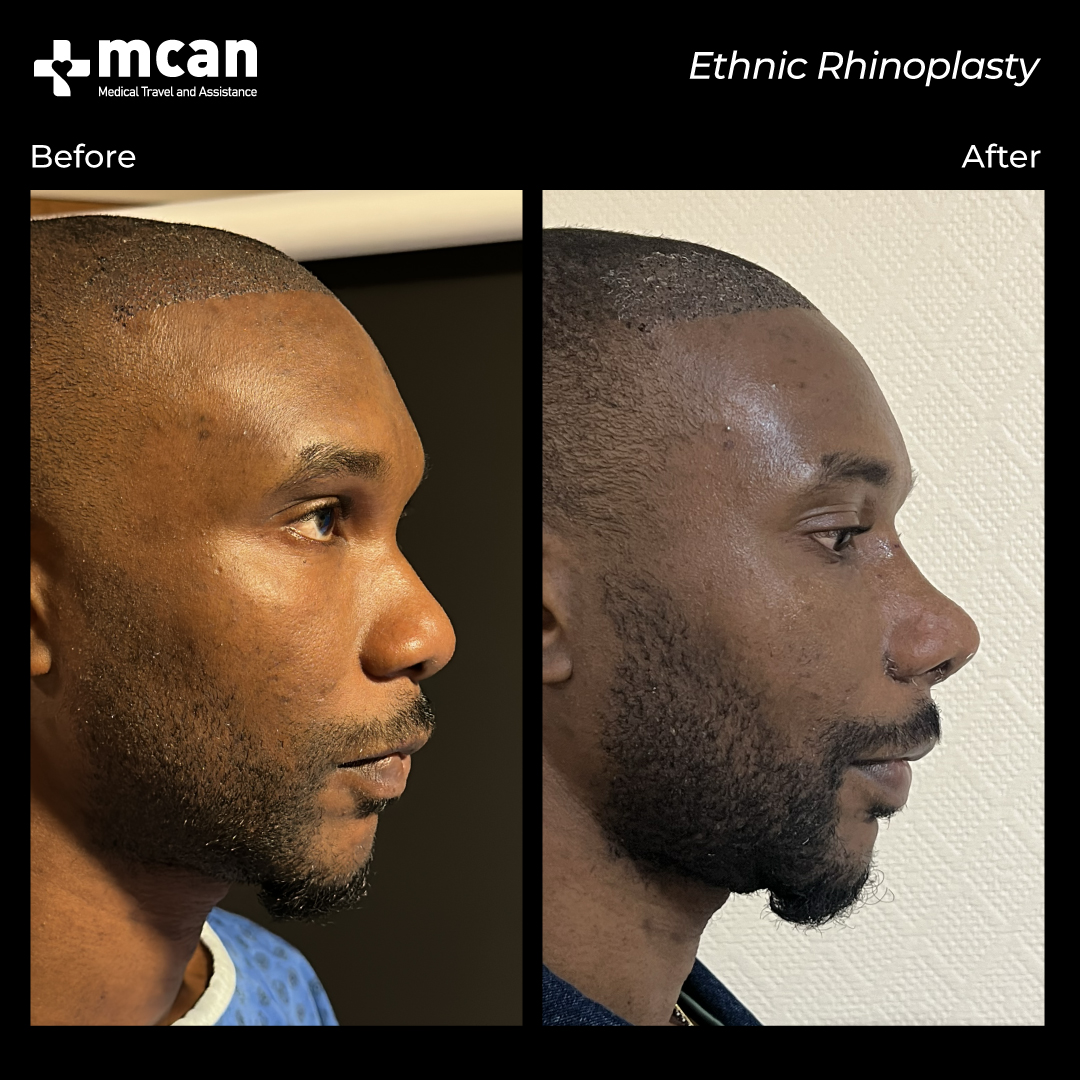
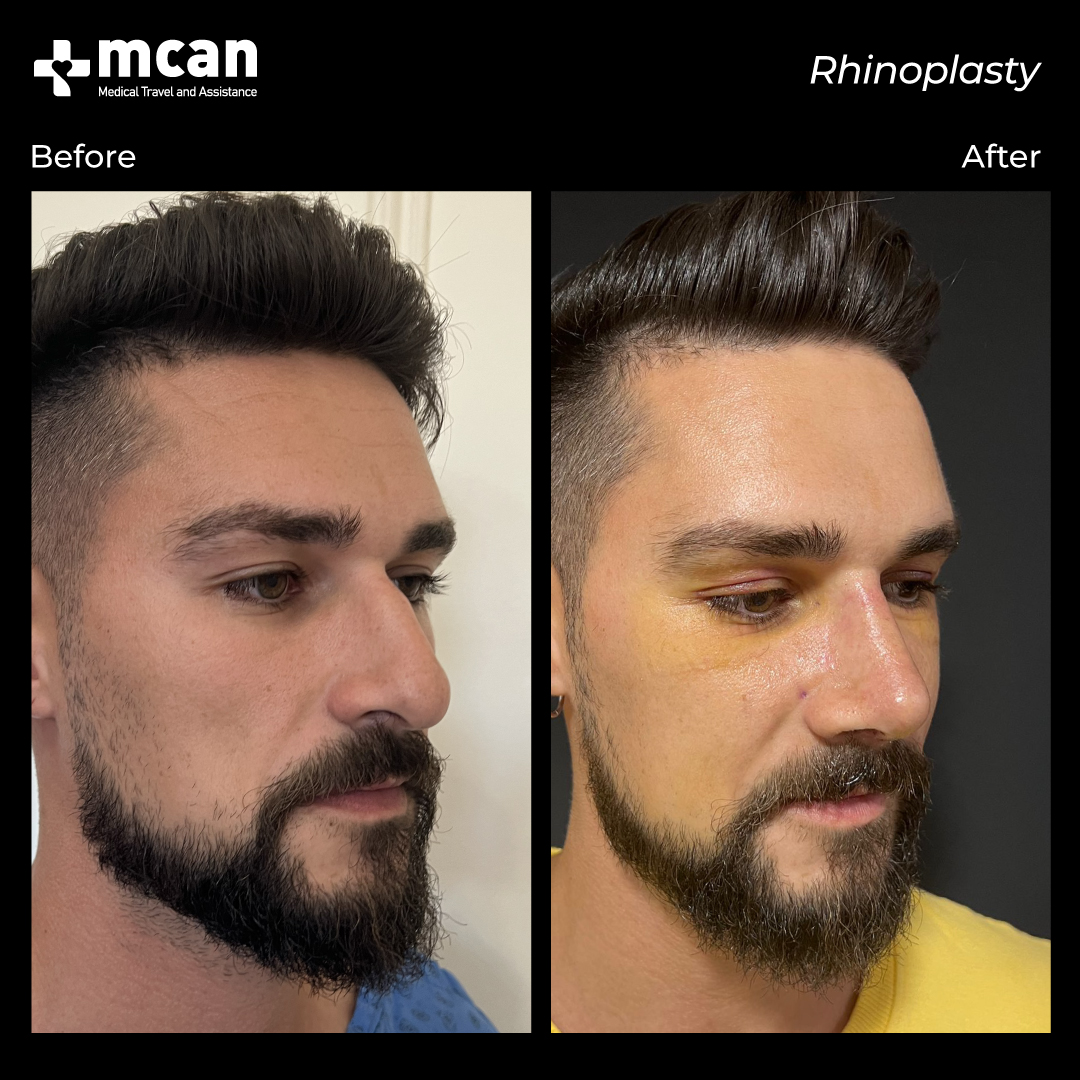
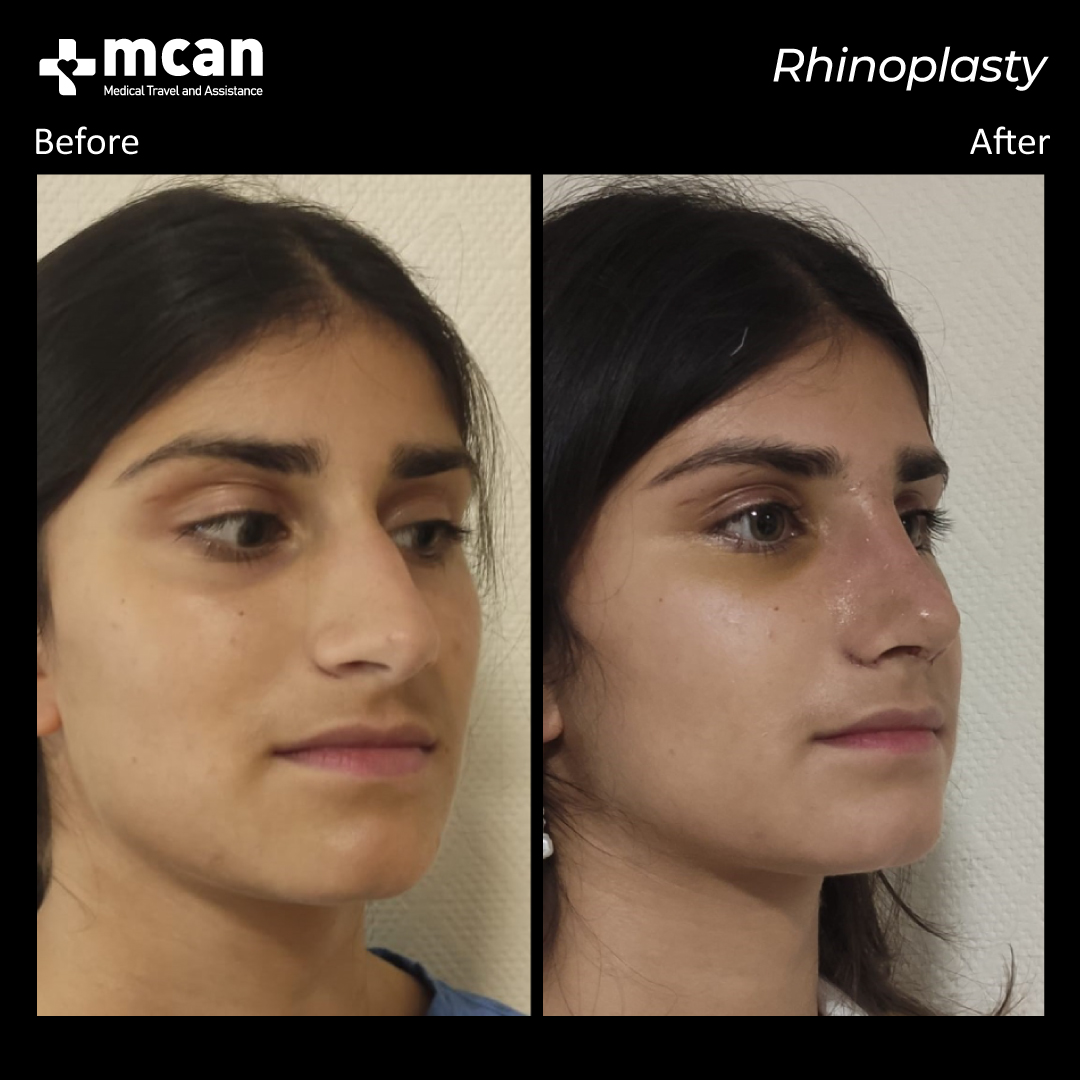
Rhinoplasty is a procedure that affects both appearance and function, and deciding whether you truly need a nose job requires more than identifying a feature you dislike. Outcomes are shaped by careful surgical planning, realistic expectations, and structured follow-up over time. At MCAN Health, rhinoplasty is approached with long-term nasal balance and stability in mind, from the first assessment through the final stages of healing.
Patients consider rhinoplasty in Turkey with MCAN Health because the decision-making process itself is treated as an essential part of the journey. Rather than encouraging surgery by default, the focus is on understanding whether rhinoplasty is appropriate, what kind of change is achievable, and how functional and aesthetic goals intersect in each individual case.
What defines the experience of rhinoplasty in Turkey with MCAN Health includes:
- Experienced rhinoplasty surgeons who evaluate both nasal structure and facial proportions, ensuring that surgery is recommended only when it can meaningfully improve function, balance, or both
- TEMOS-accredited surgical facilities that meet international standards for safety, hygiene, and surgical precision
- All-inclusive treatment planning, covering surgery, accommodation, transfers, medications, and in-hotel nurse visits to reduce stress during the early recovery phase
- Multilingual patient support, helping patients clearly understand surgical options, recovery expectations, and normal healing changes
- UK-based aftercare continuity, providing guidance after returning home as swelling resolves and results continue to settle
Care That Extends Beyond the Initial Decision

Rhinoplasty does not end when the splint is removed. The nose continues to change gradually over many months as swelling subsides and tissues stabilize. MCAN Health’s care structure reflects this long-term perspective:
- MCANCare supports patients during the early recovery phase with nurse-led monitoring and guidance
- MCANFollow provides a structured 12-month follow-up framework to track healing, breathing changes, and result progression
- MCANAssurance offers reassurance should additional care ever be required
With MCAN Health, the goal is not to promise a “perfect nose,” but to support outcomes that fit the face, function reliably, and age naturally over time. By combining thoughtful surgical assessment with realistic timelines and ongoing follow-up, rhinoplasty becomes a considered, informed decision rather than a rushed response to dissatisfaction.


 5 Signs You Are Ready for a Hair Transplant: What to Look For